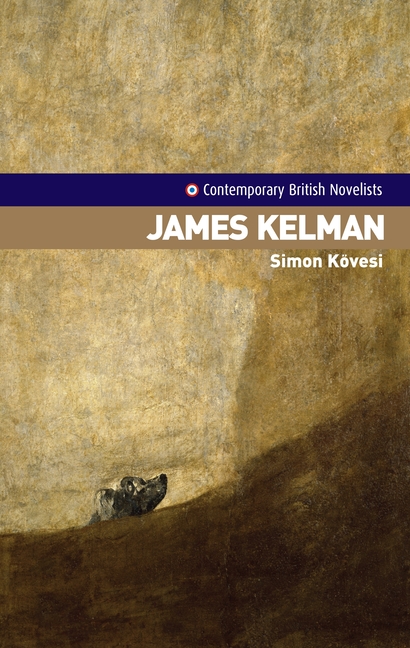

James Kelman is Scotland's most influential contemporary prose artist. This is a book-length study of his groundbreaking novels, analysing and contextualising each in detail. It argues that while Kelman offers a coherent and consistent vision of the world, each novel should be read as a distinct literary response to particular aspects of contemporary working-class language and culture. Historicised through diverse contexts such as Scottish socialism, public transport, emigration, ‘Booker Prize’ culture and Glasgow's controversial ‘City of Culture’ status in 1990, the book offers readings of Kelman's style, characterisation and linguistic innovations. This study resists the prevalent condemnations of Kelman as a miserable realist, and produces evidence that he is acutely aware of an unorthodox, politicised literary tradition which transgresses definitions of what literature can or should do. Kelman is cautious about the power relationship between the working-class worlds he represents in his fiction, and the latent preconceptions embedded in the language of academic and critical commentary. In response, the study is self-critical, questioning the validity and values of its own methods. Kelman is shown to be deftly humorous, assiduously ethical, philosophically alert and politically necessary.
Loading metrics...
* Views captured on Cambridge Core between #date#. This data will be updated every 24 hours.
Usage data cannot currently be displayed.
This section outlines the accessibility features of this content - including support for screen readers, full keyboard navigation and high-contrast display options. This may not be relevant for you.
Accessibility compliance for the PDF of this book is currently unknown and may be updated in the future.